What Makes a Great Smart Market Operator in Colorado
Smart market hardware is increasingly commoditized — the operator is what makes the difference. Here's what to look for in a Colorado smart market partner.
The smart market category has matured to the point where the hardware is increasingly familiar. Glass-front coolers, tap-to-pay readers, connected inventory sensors — most modern operators run on broadly similar gear. Which means the hardware is no longer the differentiator. The operator is.
If you're a property manager, facilities lead, healthcare administrator, multifamily team member, or fitness operator in Denver, Boulder, Thornton, Westminster, Broomfield, Northglenn, Erie, Lafayette, Longmont, Louisville, Arvada, or Centennial evaluating a smart market partner, here's what actually separates a great operator from an average one.
1. Local presence and fast service response
A smart market is only as good as the team behind it. The single biggest predictor of long-term satisfaction is whether the operator can respond quickly when something needs attention — a restock, a question, a service issue. A national operator with a regional dispatcher is structurally slower than a local operator who already lives in the same city.
Why proximity matters
Denver Metro is geographically wide. A Boulder studio and a Centennial workplace are 35+ miles apart. A great Colorado-focused operator builds routes and team coverage that respect that geography — so the gap between "problem detected" and "problem solved" is measured in hours or days, not weeks.
2. Genuine merchandising — not a national plan-o-gram
The product mix in a smart market should not be a static national template. A great operator tunes the assortment to the specific community using it — and iterates based on real sales data.
What good looks like
After a few weeks of operation, the cooler should reflect what the community actually buys. Slow movers come off the shelf. New brands get tested. Local preferences earn placement. If the assortment looks identical 90 days in, the operator isn't paying attention.
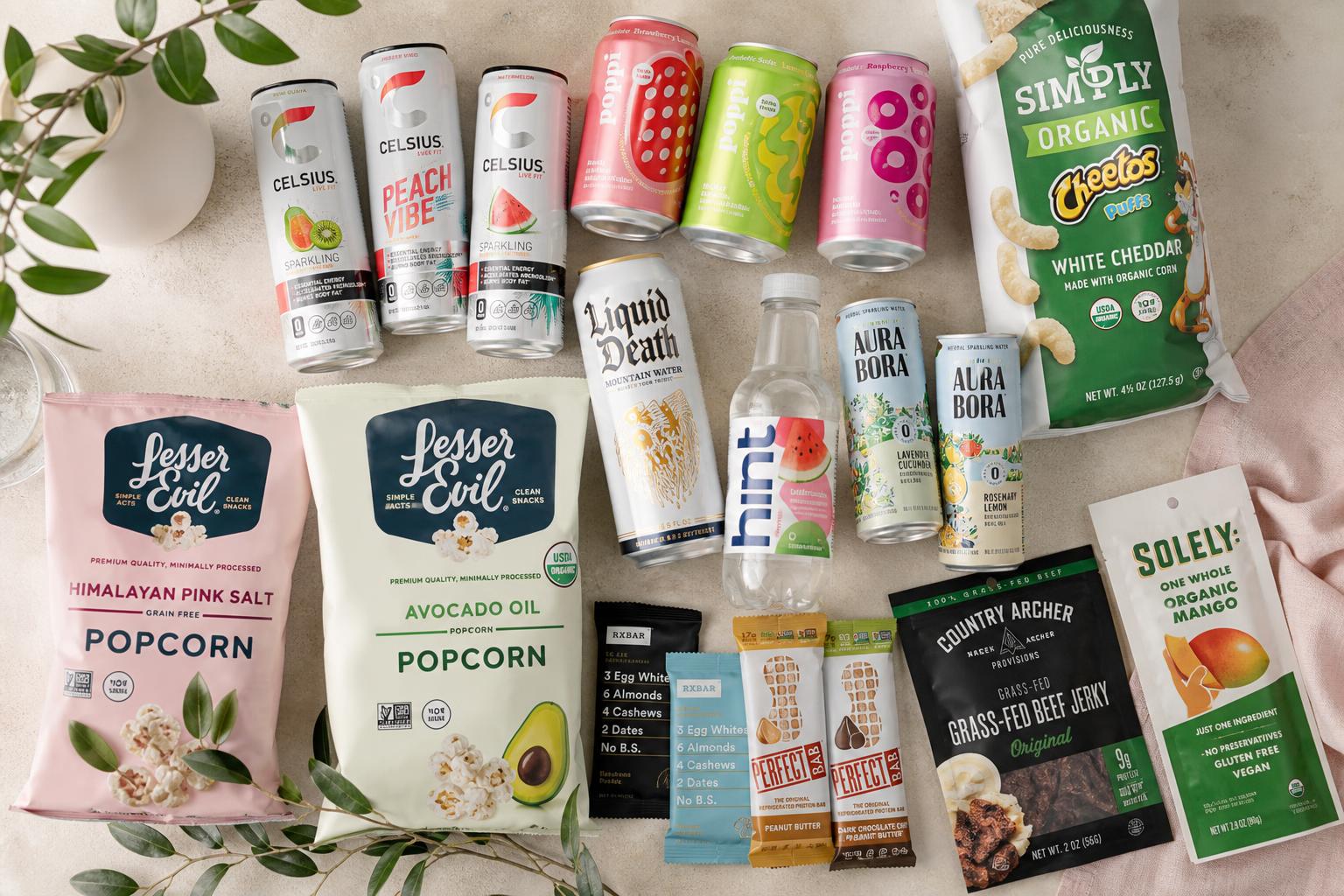
We covered the assortment side more deeply in our piece on healthy snack and drink trends in modern smart markets.
3. Hospitality-grade hardware (not repurposed vending equipment)
There's a meaningful difference between a hospitality-grade glass-front cooler designed for modern lobbies and a refurbished vending machine with a card reader bolted on. The former fits the space; the latter signals exactly what most property teams are trying to move away from.
What to look for
Look for clean, well-finished glass-front coolers, modern merchandising, and a setup that visibly fits a hotel lobby or premium workplace breakroom. If the equipment looks dated on day one, it'll look worse on day 365.
4. Cashless by default with reliable uptime
Modern smart markets should be cashless from the start. Cash handling adds operational risk, downtime, and friction with no real upside in 2026. A great operator runs cashless infrastructure with strong uptime, predictable transaction reliability, and accessible support for the rare payment issue.
We dug into the bigger cashless story in our piece on the rise of cashless smart vending across Colorado.
5. Proactive service driven by real-time data
If your operator only finds out a cooler is out of a popular item when someone complains, that's a structural problem. The whole point of the smart in smart market is connected inventory and proactive restocking — driven by live data, not by a static weekly route.
A simple test
Ask any prospective operator how they decide when to restock. If the answer is "every Tuesday," you've learned something important. If the answer is "based on real-time sales data and inventory thresholds, with the route generated daily," you've learned something different.
6. Transparent operating model
A great smart market partnership should be easy to understand. The property provides the space and the power; the operator provides the equipment, products, technology, and service at no cost to the property. Revenue, margin, and contract structure should be straightforward, not buried in fine print.
7. A real story behind the brand
This last one is more subjective, but it matters more than people expect. The operators who consistently deliver the best long-term partnerships are the ones who treat the work as more than a transaction. They care how the cooler looks, how the products are merchandised, how the team responds to questions, and how the brand fits the spaces they serve.
Why community focus matters
Properties increasingly want their amenities to reflect their values. An operator that visibly contributes to the local community — through hiring, sourcing, or charitable give-back — quietly aligns with the values most modern property teams already hold.
Hazel's Smart Markets — built around all of the above
Hazel's Smart Markets is a Colorado-owned operator built specifically around these principles: local presence and fast service, real merchandising tuned to each community, hospitality-grade hardware, fully cashless infrastructure, proactive service driven by live data, and a transparent operating model that costs the property nothing.
We're also community-first by design. A portion of every market we operate goes back into local Colorado causes through our give-back model. It's a quiet alignment with the kind of operators and properties that already think about more than the bottom line.
If you'd like to evaluate a smart market for your space — or compare what a great Colorado-focused operator looks like against your current setup — you can request a location and we'll walk through the specifics. For broader context, our piece on why smart markets are replacing traditional vending machines in Colorado is a good starting point.
The operator is the product
The hardware in a smart market is meaningful, but it's not the differentiator anymore. The operator is the product. The team that designs the assortment, restocks the cooler, manages the service, and quietly maintains the experience week after week is what determines whether a smart market becomes a beloved amenity or a slowly fading liability. For Colorado spaces, choosing well on the operator side is the single most important decision in the category.
Frequently Asked Questions
- How long does a typical smart market agreement last?
- Agreements vary, but most are designed to be straightforward and flexible. A great operator earns the partnership through ongoing performance, not through restrictive contract terms.
- What if we already have a vending operator?
- Most properties evaluating a smart market are migrating from a legacy vending arrangement. The transition is typically straightforward — most existing agreements can be unwound or replaced with minimal friction.
- How is performance measured?
- The honest answer is by experience: are products in stock, are they relevant to the community, is the cooler clean and well-merchandised, and is service responsive when needed. Sales velocity is a useful indicator, but the felt experience is the real metric.
Hazel’s Smart Markets
Bring a smart market to your Colorado space.
We partner with healthcare offices, apartment communities, fitness studios, and modern workplaces across Denver Metro and the Front Range — fully managed, fully cashless, and community-focused by design.
Request a Location