The Hidden Costs of Traditional Vending Machines
An honest accounting of what traditional vending machines actually cost a building — beyond the sticker price — and why so many Colorado properties are quietly switching away.
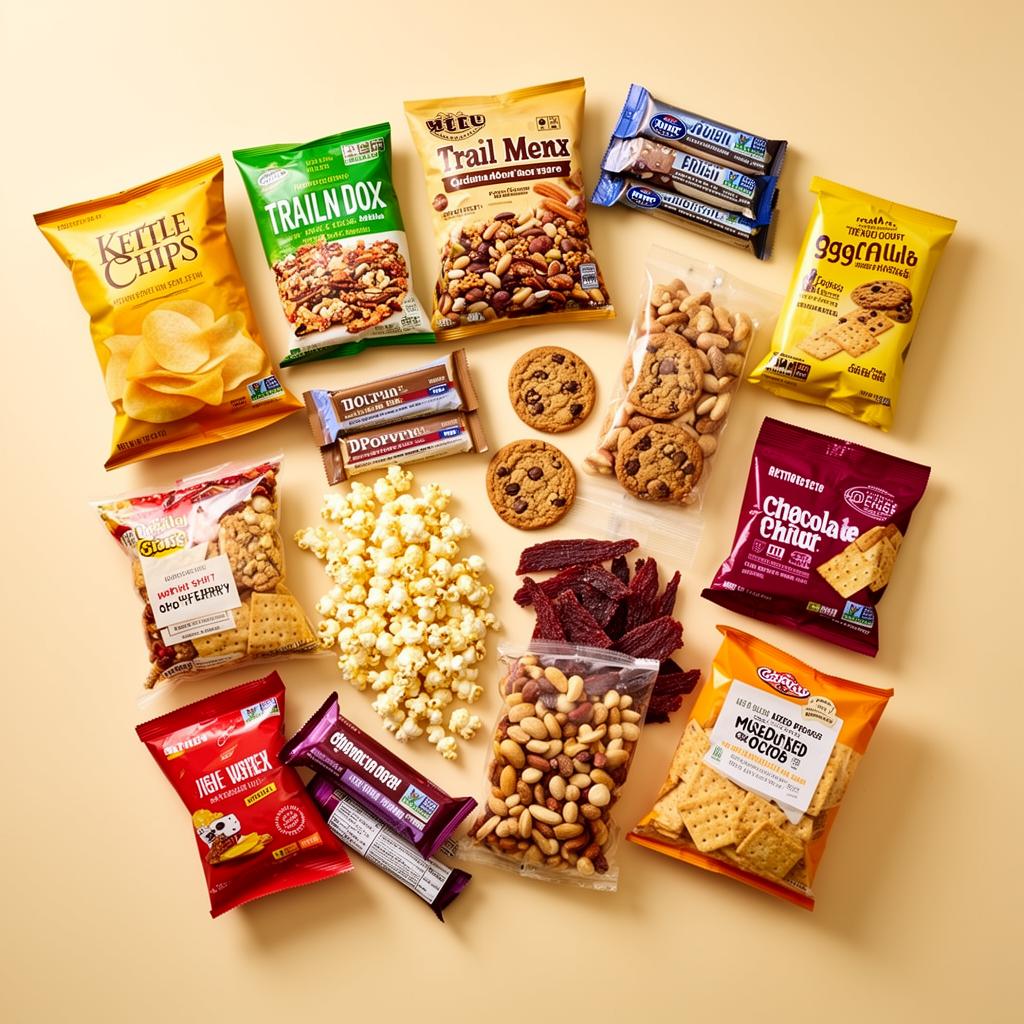
On paper, a traditional vending machine looks free. The route operator drops it off, restocks it, and the building gets a small commission check or just a free amenity. What is not to like?
In practice, every property manager who has hosted one for more than a year can list, off the top of their head, the small recurring costs the brochure never mentioned. These costs are not always financial. Some are emotional. Some are operational. Some show up in resident reviews. All of them are real.
Here is the honest version of the math.
Cost #1: Front-desk and management hours
The cost almost no one tracks. Every refund request, every "the machine ate my dollar," every "the snack is stuck" complaint becomes a 5- to 10-minute interruption for someone on staff.
Multiply that across 12 months in a 200-unit apartment building or a 150-person office. It is not catastrophic. It is also not zero. And it is happening on the time of your highest-leverage employees.
Cost #2: Slow restocks and dead inventory
Traditional vending routes operate on a fixed schedule, often every 7 to 14 days. If a popular item sells out on day three, it is empty for the next 11. If an item never sells, it sits there expiring, taking up a coil that could be earning revenue.
There is a real opportunity cost in those gaps. Buyers who walk away once tend not to come back the next day to try again.
Cost #3: Cash and coin friction
In 2026, cash-handling at point of purchase is increasingly rare in everyday life. A vending machine that requires bills or coins — or that has a card reader bolted on as an afterthought — is asking buyers to do something they no longer do anywhere else.
The cost shows up in lost transactions. People walk past the machine with a phone in their hand and no wallet, and they keep walking.
Cost #4: Refund handling that erodes trust
When a coil hangs and the buyer loses both the snack and the dollar, two things happen:
- The operator usually has no easy way to refund
- The buyer remembers, every time they walk past the machine
Trust in the amenity erodes. Once a resident or employee has had two bad refund experiences, they stop using it entirely.
Cost #5: Aesthetic cost in a modern building
Walk into a 2024 lease-up in Denver, Boulder, Westminster, or Centennial. The lobby finishes are intentional. The lighting is calibrated. The tour script is rehearsed.
Now place a 1990s coil vending machine against the back wall. Every dollar spent on the rest of the building is quietly undermined by the one fixture nobody updated.
This is not a vanity concern. Tour conversion is influenced by small visual signals. So is online review tone. The vending machine is one of the loudest small signals in the room.
Cost #6: Lost revenue from limited assortment
A coil vending machine carries 30 to 45 SKUs, all shelf-stable, with limited refrigeration depth. That excludes:
- Real food (sandwiches, wraps, salads, parfaits)
- Most functional drinks
- Premium beverages with larger packaging
- Local Colorado brands that do not fit standard coils
The revenue that an upgraded format would have captured is not visible on a P&L — but it is real. In most cases it is two to three times what the old machine earns.
Cost #7: Service unreliability
When a traditional vending machine breaks, the building usually has to call a 1-800 number, wait for a route tech to be in the area, and live with the broken machine in the meantime. Multiply that across summer holiday weekends, snow days, or staffing shortages on the operator side, and downtime adds up.
Cost #8: The opportunity cost of *not upgrading*
Every month a property hosts an underperforming vending machine is a month it is not hosting a modern amenity that residents, employees, or members would actually use. The cost is not on the invoice. It is in the difference between the amenity you have and the amenity you could have for the same footprint.
A simple cost comparison
Looking at a single 100-person workplace location over 12 months:
- **Traditional vending machine** — $10,800 to $18,000 in revenue, modest commission, frequent staff interruptions, dated visual
- **Managed smart cooler** — $21,600 to $42,000 in revenue, tap-to-pay UX, software-handled refunds, modern visual, near-zero staff involvement
These are ranges, but the direction holds across the locations we operate.
What replacing a vending machine actually looks like
The good news: replacing a traditional machine with a modern smart cooler is one of the lowest-friction upgrades a building can make.
- The operator removes the old machine
- A glass-front smart cooler is delivered and connected to a standard outlet
- The assortment is built around the actual users of the space
- Restocks, refunds, and service are handled by the operator
Most properties go from "old vending machine in the corner" to "premium managed cooler" in a single afternoon.
Who tends to switch first in Colorado
Across the Front Range, the pattern is consistent. The first properties to upgrade are usually:
- Multifamily lease-ups in Denver, Thornton, and Westminster competing on amenity quality
- Healthcare offices in Boulder, Longmont, and Centennial that need 24/7 staff support
- Gyms and youth recreation facilities in Erie, Lafayette, and Louisville with parent-buyer audiences
- Hybrid offices that want their Tuesday-Thursday breakrooms to feel modern
Internal reading
- Why smart markets are replacing vending across Colorado
- The rise of cashless smart vending in Colorado
- What makes a great smart market operator in Colorado
Ready to retire the old machine?
If you are paying any of the hidden costs above, Hazel's Smart Markets will replace the old vending machine with a managed smart cooler and run the program end to end. Request a location and we will scope your space.
Frequently Asked Questions
- What is the biggest hidden cost of a traditional vending machine?
- Usually staff time. Refund requests, jam complaints, and coordination with the route operator quietly add up to real hours from your highest-leverage employees.
- Is replacing a vending machine with a smart cooler complicated?
- No. The old machine is removed and the smart cooler is connected to a standard 120V outlet. Most properties complete the swap in a single afternoon.
- Does upgrading away from vending mean losing commissions?
- Most managed smart cooler programs offer comparable or improved economics, plus a far better resident or employee experience. The right operator will walk you through both models.
- Are there cases where a traditional vending machine still makes sense?
- Occasionally — very low traffic satellite locations, certain industrial sites, or environments with strict equipment limits. For most Colorado properties in 2026, a smart cooler is the better fit.
- How quickly can a building see results after upgrading?
- Usage typically picks up within the first two weeks as residents or staff discover the new format, with assortment refinements at 30 and 60 days based on real sales data.
Hazel’s Smart Markets
Bring a smart market to your Colorado space.
We partner with healthcare offices, apartment communities, fitness studios, and modern workplaces across Denver Metro and the Front Range — fully managed, fully cashless, and community-focused by design.
Request a Location