Micro Markets vs Traditional Vending Machines: Which Makes More Money?
An honest, operator-side breakdown of micro-market vs. vending machine economics — revenue, margins, footprint, labor, and which wins for which kind of Colorado location.
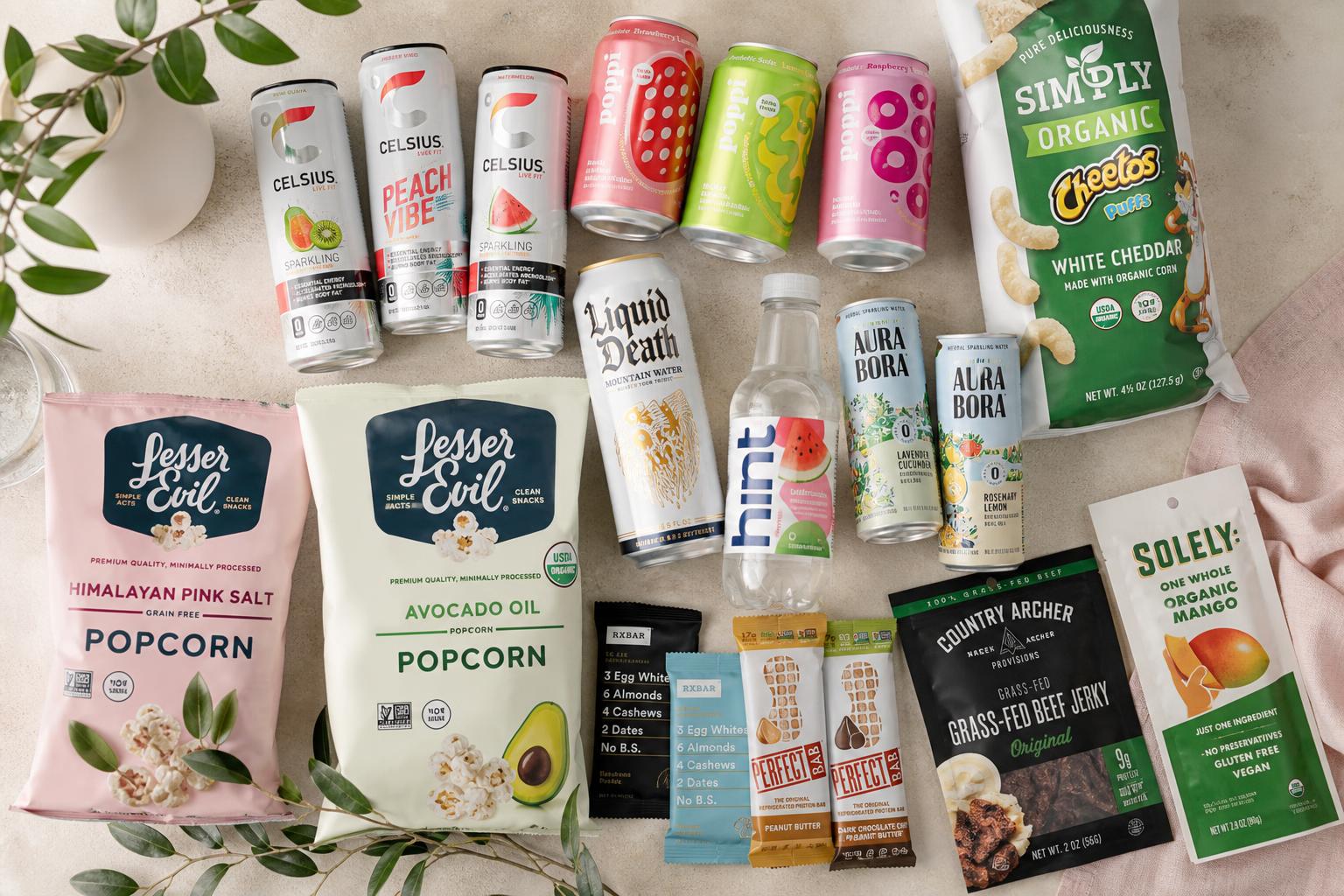
Ask ten unattended retail operators which format makes more money, micro-markets or vending machines, and you will get ten confident, contradictory answers. The honest answer is: it depends on the location, and the people who say otherwise are usually selling one or the other.
What follows is the version of this conversation we actually have on whiteboards with property teams and business owners across the Front Range — the math, the assumptions, and the cases where each format wins.
The two formats, defined cleanly
Before we compare anything, two quick definitions to keep us honest.
Traditional vending machine
A coil or glass-front spiral machine with selection buttons, a bill validator, and usually a card reader retrofitted onto the front. The buyer makes a selection, pays, and the machine drops the product. Limited SKUs. Limited fresh. Limited flexibility.
Micro-market
A small unattended store: open shelving, a beverage cooler, sometimes a freezer, and a self-checkout kiosk or smart cooler doors. The buyer browses, picks, scans or taps, and leaves. Far more SKUs. Real fresh food possible. Software-driven everything.
Smart coolers sit between these two — vending-machine footprint, micro-market user experience. For this comparison we will treat smart coolers as part of the micro-market family, since they share the cashless, app-driven economics.
The revenue side: where the money actually comes from
On a per-location basis, micro-markets tend to generate more revenue than vending machines for three structural reasons.
1. SKU count and basket size
A typical vending machine carries 30 to 45 SKUs. A typical micro-market carries 200 to 400. More options means buyers find something they actually want, and average basket size goes up — usually $4.50 to $7.50 in a micro-market versus $1.75 to $2.75 in a vending machine.
2. Fresh and prepared food
Vending machines are largely confined to shelf-stable items. Micro-markets and smart coolers can carry sandwiches, salads, wraps, parfaits, and real meals. Fresh categories carry higher price points and pull in lunch occasions vending simply cannot serve.
3. Frictionless payment
Tap-to-pay, mobile pay, and app-based checkout convert higher than cash-and-card vending interfaces. Buyers who would have walked away from a jammed bill validator complete the transaction in a micro-market.
The cost side: where the money goes
Revenue is only half the story. Micro-markets carry more cost than vending machines, and any operator who pretends otherwise is doing the math wrong.
Hardware
A new vending machine runs roughly $4,000 to $7,000. A new micro-market setup, including shelving, coolers, and a self-checkout kiosk, runs roughly $12,000 to $30,000+. Smart coolers fall in between.
Labor and restock
Micro-markets carry more SKUs, fresher product, and tighter merchandising standards. Restock and merchandising labor per location is higher. The tradeoff is that the per-transaction labor cost is often *lower* because each visit drives more revenue.
Shrink
Open-shelf micro-markets do experience some shrink — typically 1% to 4% of revenue depending on the location and security setup. Vending machines have effectively zero shrink because the product never leaves the box until paid for. Smart coolers, with their lock-on-tap design, sit close to vending on this metric.
Tech and payment processing
Micro-markets and smart coolers run on real software stacks: inventory management, payment processing, telemetry, refund tooling. Those costs are real but they scale well as a fleet grows.
A simple side-by-side, written in dollars
Rough numbers for a 100-person workplace location, monthly:
- **Traditional vending machine** — Revenue: $900–$1,500. Gross margin after product cost: ~45%. Operator take after labor and overhead: modest.
- **Smart cooler (managed)** — Revenue: $1,800–$3,500. Gross margin after product cost: ~42%. Operator take: meaningfully higher than vending.
- **Micro-market** — Revenue: $4,000–$9,000+. Gross margin after product cost: ~40%. Operator take: highest of the three when the location supports it.
These are ranges, not promises. The same headcount in a hybrid office with low Tuesday-Thursday density can underperform these numbers; a high-traffic gym or a 24/7 healthcare facility can blow past the top of the range.
Which format wins for which kind of location
The honest answer to *which makes more money* is *the one that fits the location best*. A few patterns from operating across Denver, Boulder, Longmont, Centennial, and the rest of the Front Range:
Vending machines still make sense for
- Very low traffic satellite locations
- Industrial sites where smart hardware is harder to deploy
- 24/7 secure facilities with strict equipment requirements
- Locations where the host explicitly needs the lowest-touch hardware possible
Smart coolers tend to win for
- Apartments and multifamily lobbies
- Healthcare offices and clinics
- Gyms, fitness studios, and youth sports facilities
- Small to mid-size offices
- Any location replacing a single vending machine
Micro-markets tend to win for
- Offices of 150+ daily users with a real breakroom
- Large healthcare campuses and hospital staff areas
- Manufacturing and distribution sites with consistent shift traffic
- High-traffic community centers and large multifamily clubhouses
What property teams and business owners should actually ask
If you host the location, the relevant question is rarely "which makes more money for the operator." It is "which makes my space better and is most likely to still be working in three years."
Useful questions to ask any operator pitching one format over the other:
- What is the realistic monthly transaction count for this footprint?
- What does the assortment look like at 30, 60, and 90 days?
- How are refunds handled, and on what timeline?
- What is the contract term, and what are the exit terms if it underperforms?
- Who specifically services the location, and how often?
A word on revenue share
Some operators offer hosts a revenue share. Some do not. Both models can be fair, but they incentivize different things. A pure revenue share rewards the operator and host for growing sales together. A flat-fee or commission-free model often means the operator can invest more in hardware quality and fresh product without nickel-and-diming the location.
There is no universally correct answer. There is a correct answer *for your space and your goals* — and a serious operator should be able to walk you through both.
Internal reading
- Why smart markets are replacing vending across Colorado
- What makes a great smart market operator in Colorado
- Smart market solutions for apartment communities in Denver
Want a real, location-specific comparison?
If you are weighing micro-market vs. smart cooler vs. vending for a specific Colorado location, Hazel's Smart Markets will walk the space, run the numbers, and give you a straight recommendation — even if it is not the highest-revenue option for us. Request a location and we will be in touch.
Frequently Asked Questions
- Do micro-markets really make more money than vending machines?
- On a per-location basis, in the right locations, yes — typically two to five times the revenue. But they also cost more to install and operate, so the right comparison is net contribution and fit, not gross revenue.
- What is the smallest location where a micro-market makes sense?
- Generally about 150 daily users with a dedicated breakroom of around 150 square feet or more. Below that, a smart cooler usually outperforms a small micro-market.
- Is shrink a real problem in micro-markets?
- It exists — typically 1% to 4% of revenue. Smart coolers with locked doors and tap-to-open technology bring shrink closer to vending levels while keeping micro-market-like UX.
- What is the typical contract length?
- It varies by operator. Hazel's Smart Markets keeps terms simple and includes clean exit language so hosts are never stuck if the location does not perform.
- Which format is right for a Front Range apartment community?
- For most multifamily lobbies and clubhouses, a managed smart cooler is the right starting point. Larger communities sometimes graduate to a small micro-market in a high-traffic clubhouse.
Hazel’s Smart Markets
Bring a smart market to your Colorado space.
We partner with healthcare offices, apartment communities, fitness studios, and modern workplaces across Denver Metro and the Front Range — fully managed, fully cashless, and community-focused by design.
Request a Location